


22 Dec 2025
The Ultimate Guide to Vapour Control Layers
Building or renovating a home in the UK is like dressing for the British weather. You need layers that keep the heat in, but you also need to manage how the building "breathes." If you’ve been researching insulation, you’ve likely come across the term Vapour Control Layer (VCL)
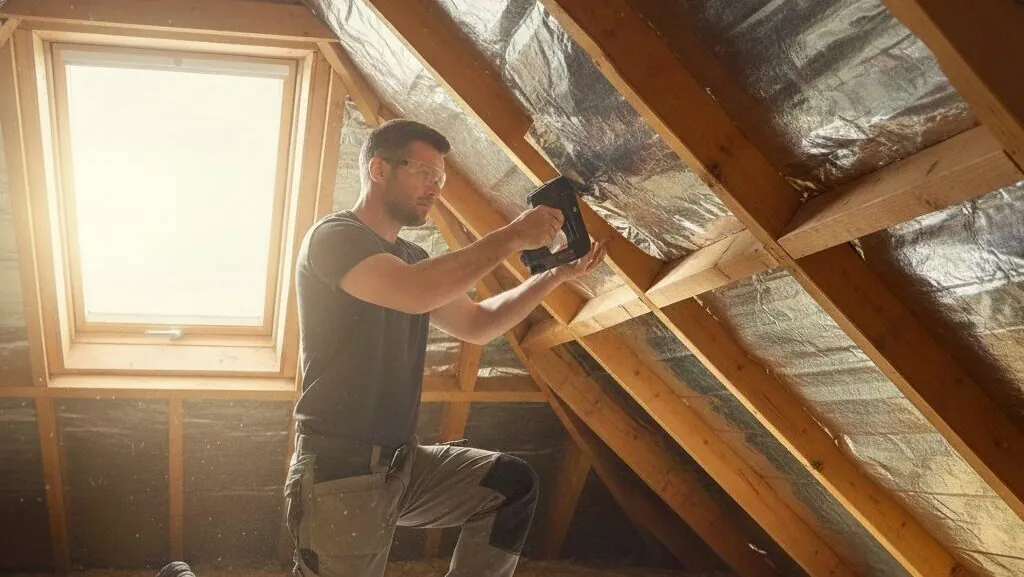
Protecting Your Home from the Inside Out
Building or renovating a home in the UK is a bit like dressing for British weather. You need layers that keep the heat in, but you also need to manage how the building breathes. If you have been researching insulation, you have probably come across the term Vapour Control Layer, often shortened to VCL.
It may sound technical, but a VCL is one of the most important parts of a modern insulation system. Without it, even the best insulation can become damp and ineffective over time.
In this guide, we break down everything you need to know about vapour control layers, how they work, why foil is widely considered the gold standard, and the common mistakes that can lead to costly repairs.
If you are planning a wider build or renovation, you can also explore our full range of
insulation products used across walls, roofs and floors.
What Exactly is a Vapour Control Layer (VCL)?
At its simplest, a Vapour Control Layer is a membrane designed to restrict the movement of water vapour through your walls, ceilings and floors. It is typically made from reinforced plastic or aluminium foil and is installed on the warm side of the insulation.
In most UK builds, foil-based membranes are the preferred option due to their durability and performance. These are commonly found within
aluminium foil vapour control layers used in timber frame walls, roofs and insulated floors.
The Science of Vapour Drive
Everyday activities inside a home generate moisture. Cooking, showering, drying clothes and even breathing release litres of water vapour into the air each day. Warm air holds more moisture than cold air, which means the air inside your home is usually more humid than the air outside.
This moisture naturally tries to move towards the colder, drier air outside. This process is known as vapour drive. A vapour control layer acts as a barrier, stopping that moisture before it reaches cold surfaces inside the structure where condensation can form.
It’s Not a Damp Proof Membrane (DPM)
VCLs are often confused with damp proof membranes. A DPM is designed to stop liquid water rising from the ground, usually within floors. A vapour control layer, by contrast, manages interstitial condensation, which forms when water vapour turns back into liquid inside walls or roofs.
Why Foil Works Wonders as a VCL
While simple polythene sheets are available, foil-faced vapour control layers are widely regarded as the premium option for UK construction. There are several reasons for this.
Superior Impermeability
Aluminium foil is extremely dense at a molecular level. Unlike some plastic membranes, which allow small amounts of vapour to pass through over time, foil is almost completely vapour-tight. This makes it particularly effective in high-moisture areas such as kitchens, bathrooms and utility rooms.
Radiant Heat Reflection
Foil does more than control moisture. When installed with a small air gap, usually created by timber battens or a service void, the reflective surface helps push radiant heat back into the room. This can improve the overall thermal performance of a wall or roof without increasing thickness.
Durability on Site
Standard plastic membranes can become brittle over time. High-quality foil vapour control layers are often reinforced with a mesh, making them far more resistant to tearing during installation and over the life of the building.
Where Should You Place the VCL?
The most important rule of vapour control layer installation is simple and often overlooked:
The VCL must always sit on the warm side of the insulation.
In UK construction, this means positioning the VCL between the internal plasterboard and the insulation layer.
The Inside-to-Outside Order
- Plasterboard
- Service void for cables and pipework
- Vapour Control Layer
- Insulation
- Structural wall or roof
- External cladding or brickwork
Why the Warm Side Matters
If the VCL is placed on the cold side of the insulation, warm moist air will pass through the insulation, hit the cold membrane and immediately condense into water. This traps moisture within the insulation and structure, leading to mould, rot and long-term damage.
Preventing Condensation: The Silent House Killer
Condensation is more than a cosmetic issue. There are two main types to be aware of.
Surface Condensation
This is the visible condensation that forms on cold surfaces such as windows or uninsulated corners. While frustrating, it is easy to spot and manage.
Interstitial Condensation
This is far more dangerous because it happens inside walls and roofs. Without a properly installed and sealed VCL, water vapour can condense within the structure and remain trapped. Over time this can cause:
- Timber decay and structural damage
- Loss of insulation performance
- Mould growth that affects indoor air quality
A continuous, well-sealed vapour control layer helps ensure condensation occurs safely outside the structural envelope.
5 Common VCL Mistakes to Avoid
1. Forgetting the Tape
A vapour control layer is only effective if it is airtight. All overlaps and joints must be sealed using specialist
aluminium foil tape. Even small gaps will allow moisture to pass through.
2. Creating a Moisture Sandwich
Installing multiple vapour barriers, such as foil-backed insulation boards combined with a separate VCL membrane, can trap moisture between layers. This should only be done with professional guidance.
3. Puncturing the Layer for Services
Cutting holes for sockets and cables compromises the membrane. A service void allows electrical and plumbing services to run without piercing the VCL.
4. Poor Perimeter Sealing
The VCL must be sealed to floors, ceilings and window frames using suitable sealants to maintain airtightness.
5. Ignoring the Breathable Exterior
While the warm side should be airtight, the external layers should remain breathable. This balance is especially important in roof constructions, which is why compatible materials from your
roofing supplies system matter.
Summary: Don’t Skimp on the Seal
A vapour control layer is rarely seen once a project is complete, but its impact is felt every day. Homes with properly installed VCLs feel warmer, cost less to heat and are far better protected against moisture-related damage.
Remember: warm side placement, continuous overlaps, and tape everything.
Related Articles

22 Dec 2025
Insulating a Garden Room or Shed So It’s Comfortable All YearMost garden sheds are cold in winter and stifling in summer. That is usually not because they are badly built. It is because they were never insulated properly in the first place.
Read More
19 Oct 2025
The Roofing Guide: Dry Ridge Systems for UK RoofersIf you’re a roofer, standing still means losing ground. You’ve got to stay sharp with materials and methods - not just to win jobs, but to stay legal and respected. One of the biggest shifts in our trade has been dropping the old sand-and-cement ridge bed for dry-fix systems. The dry ridge is now standard in most new builds and re-roofs across the UK, and it’s becoming the only acceptable approach under British Standards.
Read More
19 Oct 2025
A Guide to Acoustic Insulation: How to Soundproof Walls & FloorsNoise problems in buildings are more common than many think. Even a well-built roof or wall can let sound travel through gaps, structural paths, or vibration. If you’re working on roofs, extensions, conversions or interiors, incoming or shared noise complaints often come your way. This guide brings together technical insight and trade practice - so you can spec systems with confidence, understand the rules, and deliver results that satisfy both client and Building Control.
Read More